
Brick factory closes after 139 years as housebuilding collapses
Michelmersh Brick Holdings reports lower demand as Iran war exacerbates construction slump
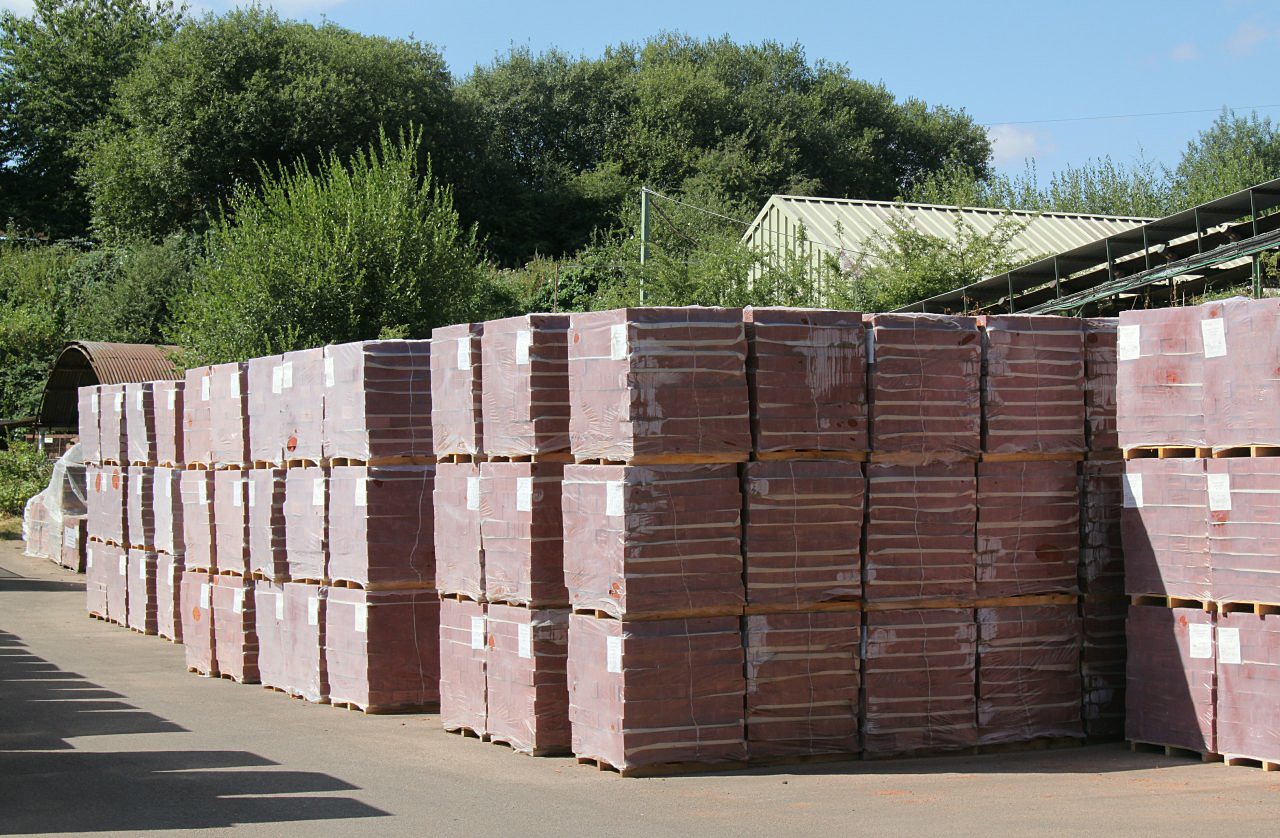
One of Britain’s oldest brickworks will close after 139 years, its owner has confirmed, in the starkest sign yet that the slump in housebuilding is tearing through the supply chain that feeds it.
Michelmersh Brick Holdings said it would shut the site and mothball capacity elsewhere after demand for new bricks fell to its lowest level in more than a decade, with the Iran war driving up the cost of the energy needed to fire its kilns.
The closure will put dozens of skilled jobs at risk and marks the end of more than a century of production at a plant that has supplied bricks for homes, schools and civic buildings across the country.
‘A barometer for the whole sector’
Brick demand is closely watched as an early indicator of housing activity, because manufacturers must commit to firing kilns months before the bricks are laid. A sustained fall points to builders pulling back on new sites rather than simply running down stock.
The company said volumes had been squeezed from both directions: weaker orders from housebuilders, and sharply higher input costs as energy prices climbed in the wake of the conflict in the Middle East.
When the kilns go cold, it tells you the builders have already stopped digging.
Industry bodies have warned that idle capacity is difficult and expensive to restart, meaning today’s closures could throttle supply — and push up prices — when housebuilding eventually recovers.
They have urged ministers to bring forward planning reform and infrastructure spending to revive demand, arguing that the construction downturn now poses a direct threat to the Government’s housing targets.
Shares in the company fell after the announcement, which came alongside a cautious outlook for the rest of the year. Management said it would protect its strongest sites and preserve cash until conditions improved.